

Pint-Sized Perfection: Top 5 Toy Dog Breeds , How Well Do They Jell With Your Family?
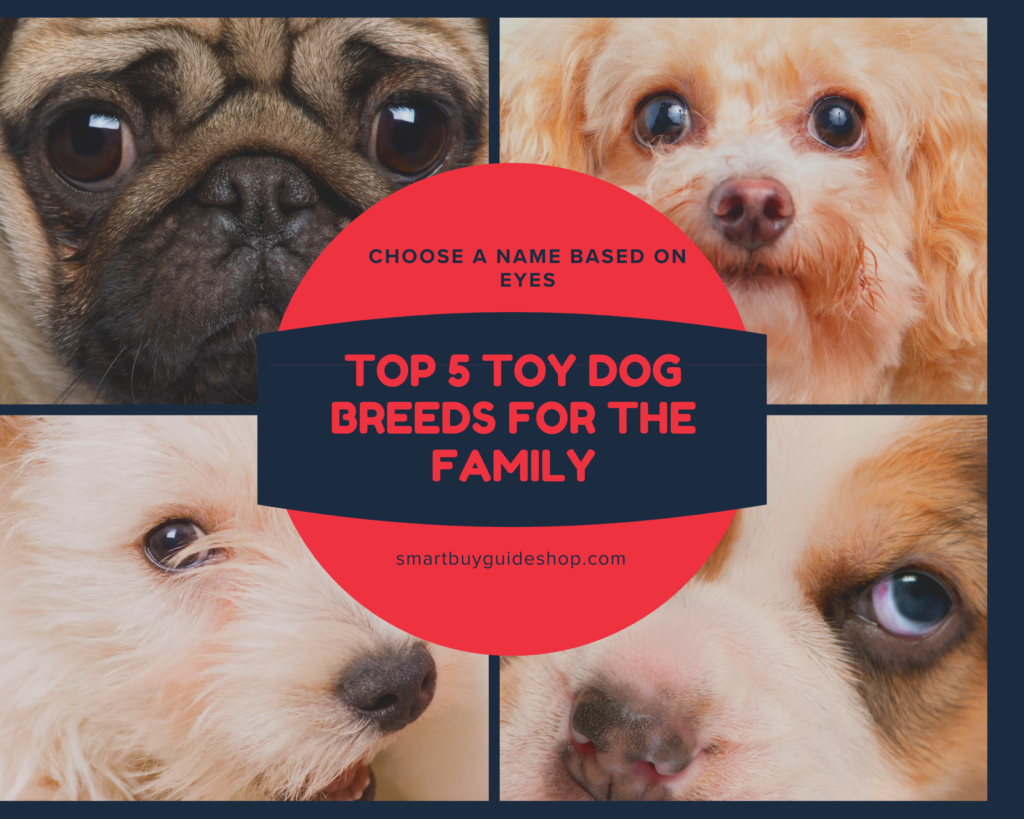
Finding the perfect “pint-sized” companion for your home is about more than just picking the cutest face. It’s about finding a breed whose energy, temperament, and health needs align with your family’s lifestyle. In 2026, toy breeds continue to be a favorite for urban dwellers and families alike due to their adaptability and big personalities.
Below are the top five toy dog breeds known for being fantastic family pets, including their pros, cons, and the healthiest ways to fuel their tiny bodies.
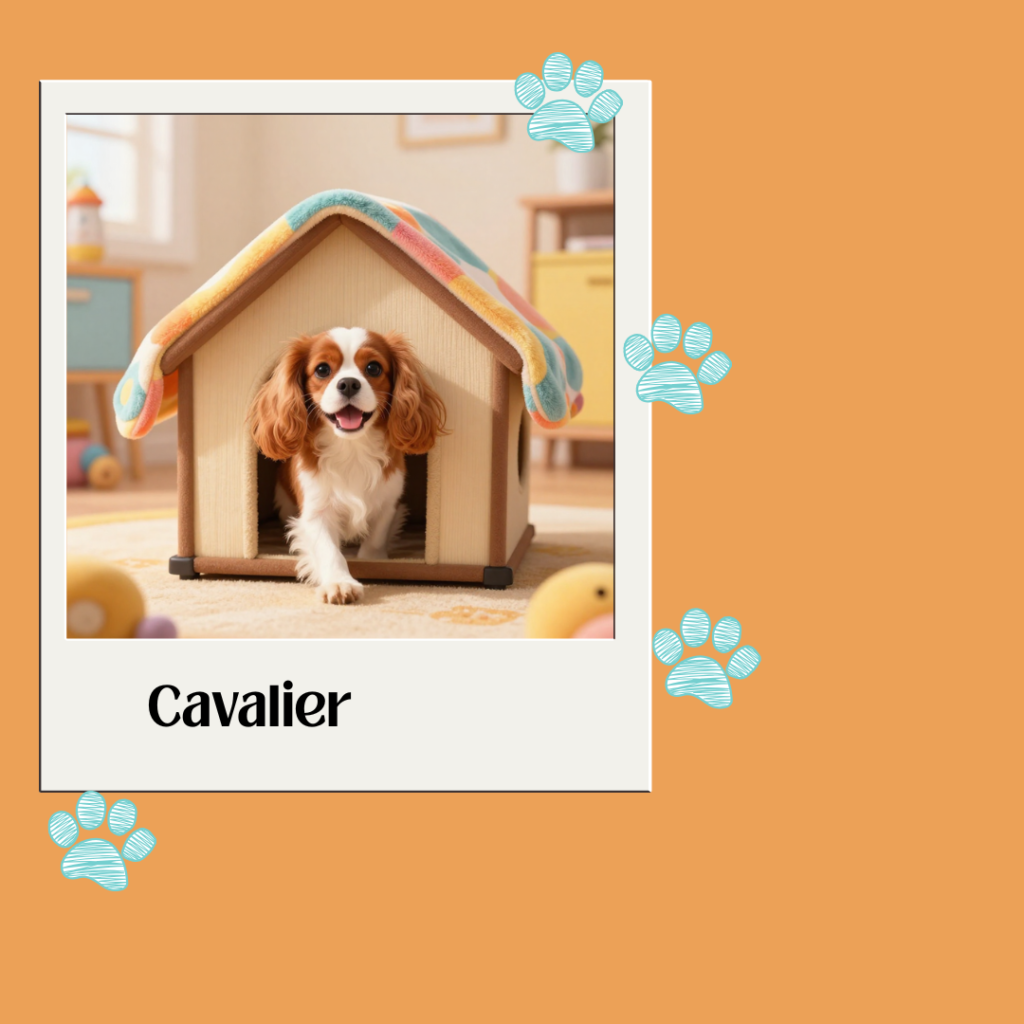
Cavalier King Charles Spaniel
Often called “the ultimate lap dog,” the Cavalier is renowned for its gentle, affectionate nature. They are “love sponges” that get along famously with children and other pets.
- Pros: Extremely patient with kids, highly adaptable to apartment or house living, and easy to train.
- Cons: Prone to separation anxiety if left alone too long; they are high-maintenance regarding grooming and have genetic predispositions to heart issues.
- Healthiest Food: Fresh, raw, or gently cooked diets rich in heart-healthy nutrients.
- Why this suits them: Cavaliers are prone to obesity and heart conditions. A diet low in starchy fillers and high in lean animal proteins (like turkey or whitefish) helps maintain a healthy weight and provides natural Taurine to support cardiac health.
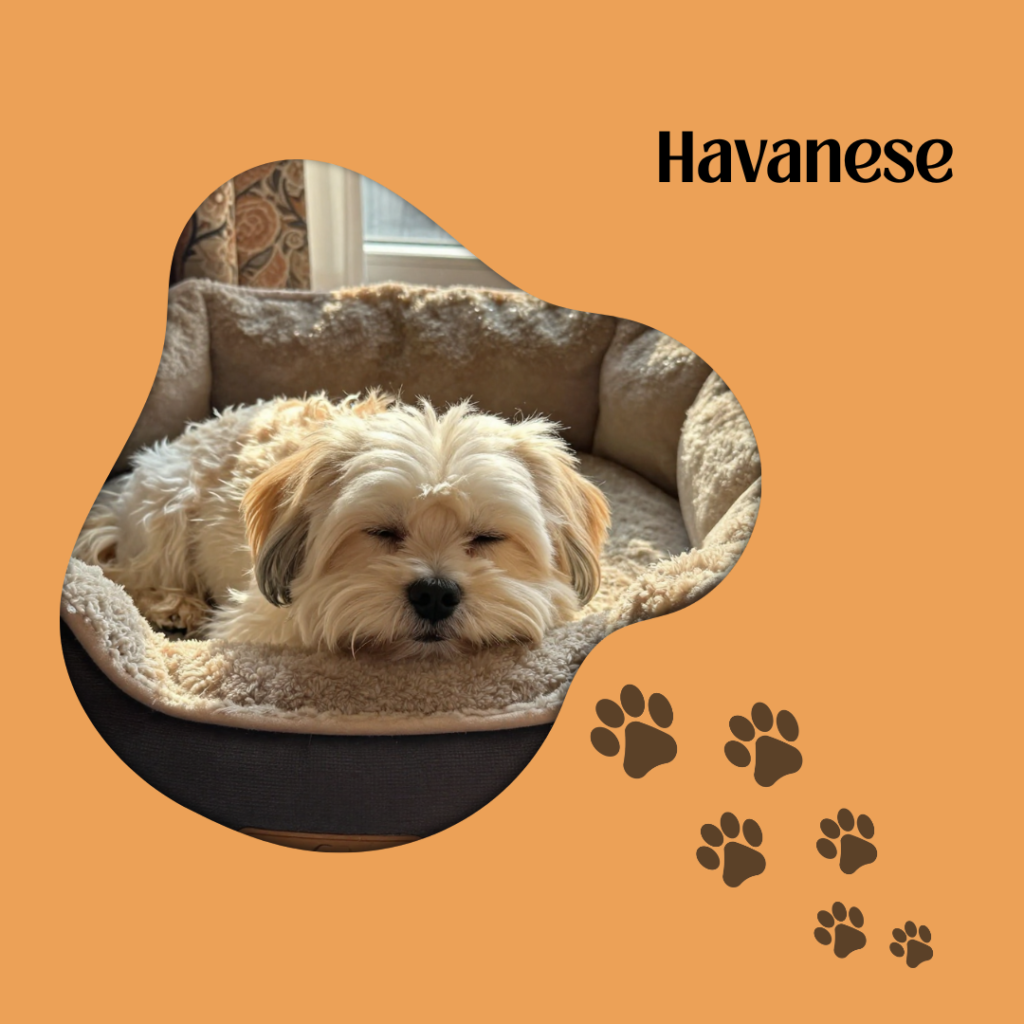
Havanese
The national dog of Cuba is a sturdy, outgoing “Velcro dog.” They are famous for their “bouncy” walk and playful spirit, making them excellent playmates for active children.
- Pros: Highly social and non-aggressive; they are relatively sturdy for a toy breed and have a non-shedding, hypoallergenic coat.
- Cons: Their long coat requires daily brushing to prevent mats; they can be difficult to housebreak (common in many toy breeds).
- Healthiest Food: High-protein kibble or fresh food with Omega-3 fatty acids.
- Why this suits them: Havanese often suffer from dry skin and luxating patellas (knee issues). Food rich in Omega-3s (from salmon or flaxseed) keeps their silky coat glowing and reduces inflammation in their joints.
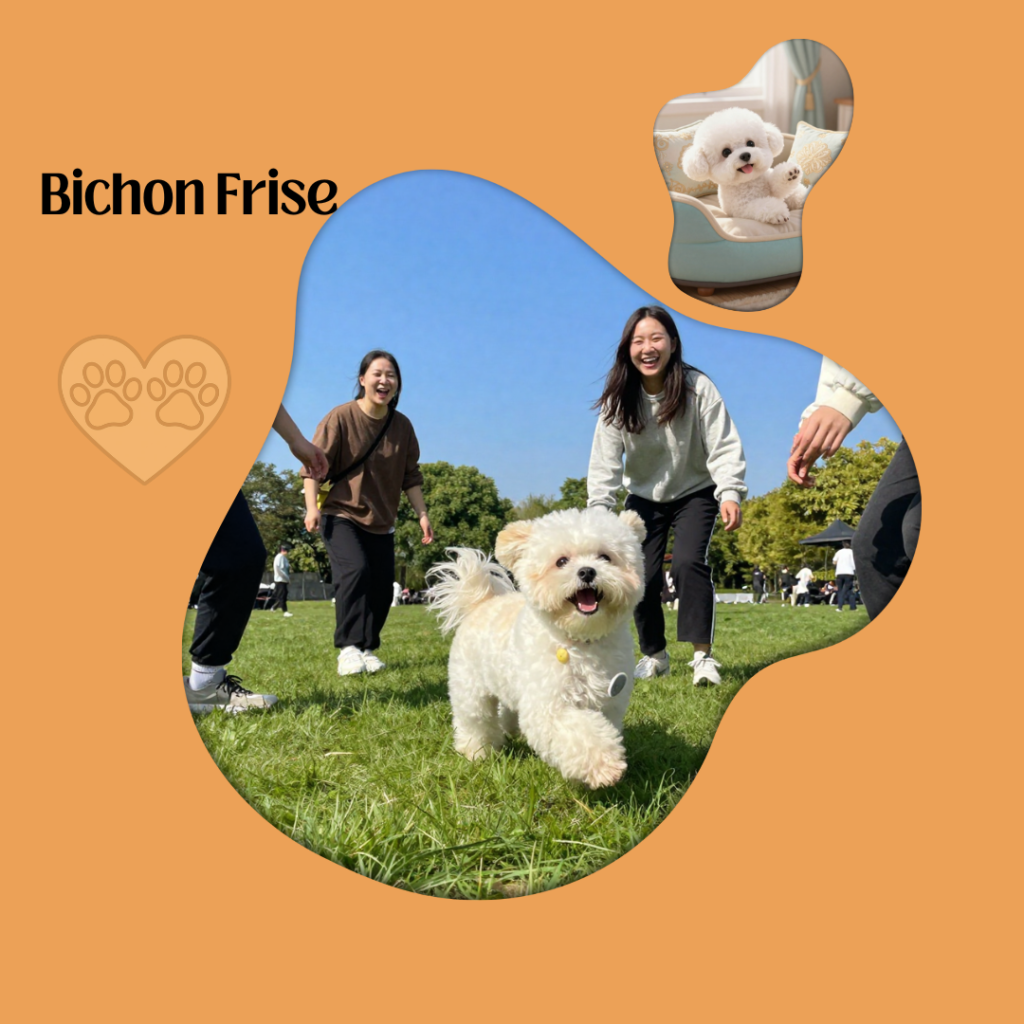
Bichon Frise
The Bichon Frise is essentially a living cotton ball with a sense of humor. They are cheerful, resilient, and famously friendly toward everyone they meet.
- Pros: Very playful and sturdy enough for supervised play with children; they are considered one of the most hypoallergenic breeds.
- Cons: Prone to skin allergies and “tear staining”; they can be vocal and may bark at passersby.
- Healthiest Food: Limited-ingredient diets or grain-free fresh food.
- Why this suits them: Because Bichons are highly prone to food-related skin allergies and tear stains, a “clean” diet without artificial dyes, corn, or wheat helps prevent itchy flare-ups and keeps their white fur pristine.
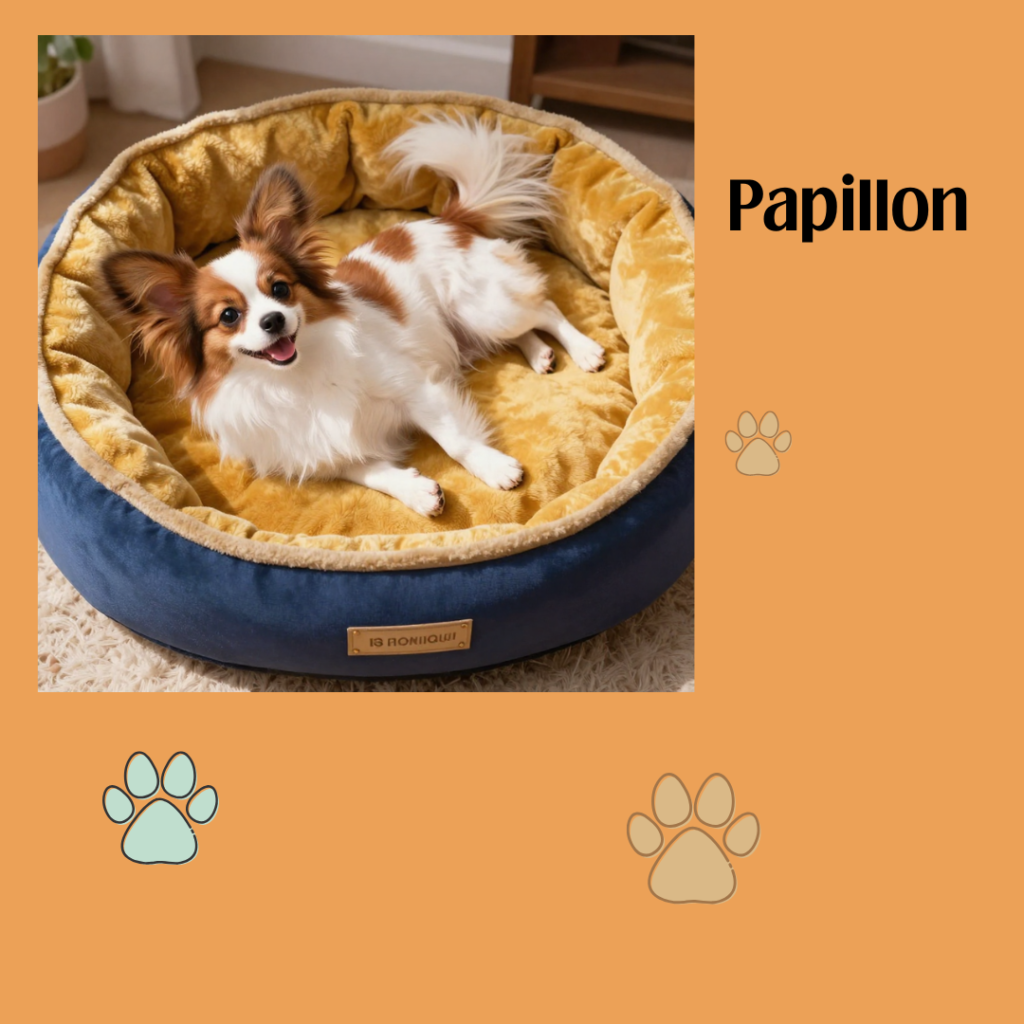
Papillon
Don’t let the “butterfly” ears fool you—the Papillon is one of the smartest and most athletic breeds in the toy group. They are often described as “big dogs in tiny bodies.”
- Pros: Highly trainable (ranked #1 in toy dog intelligence), very energetic, and usually long-lived (often 15+ years).
- Cons: Can be “flighty” or overly bold around much larger dogs; they have a high energy level that requires daily mental stimulation.
- Healthiest Food: Nutrient-dense, small-breed specific kibble.
- Why this suits them: Papillons have a very high metabolism but tiny stomachs. They need calorie-dense food in small, manageable portions to maintain their energy levels without causing digestive upset.
Shih Tzu
Bred specifically for companionship, the Shih Tzu is a sturdy, “lion-hearted” dog that thrives on human interaction. They are generally less “yappy” than other small breeds.
- Pros: Very affectionate and less demanding of exercise than the Papillon; they generally coexist peacefully with other pets.
- Cons: Their flat faces (brachycephalic) make them sensitive to heat and prone to breathing issues; they are notoriously stubborn when it comes to training.
- Healthiest Food: Soft fresh food or small-bite kibble with joint support.
- Why this suits them: Their unique jaw structure can make chewing large, hard kibble difficult. Furthermore, their sturdy frames carry extra weight easily, so fiber-rich ingredients like sweet potatoes help them feel full while managing their caloric intake.

Choosing the Right Fit
When picking your new best friend, look at their eyes—they often tell the story of their temperament. A soulful, calm gaze might point you toward a Cavalier, while a sparking, mischievous look is a classic Papillon trait.
For more tips on choosing a name based on your pup’s personality and eye colour, visit smartbuyguideshop.com to read our full guide!